Getting a motorbike licence can feel more complicated than obtaining a standard car licence and in many ways, it is. With different age categories, licence types and training requirements, it’s important to understand your options before getting started.
Whether you’re buying your very first bike or adding another motorcycle to your collection, having the right information will help you choose the most suitable route.
This guide covers everything you need to know about getting a motorbike licence in the UK.
Do I Need a Provisional Licence?
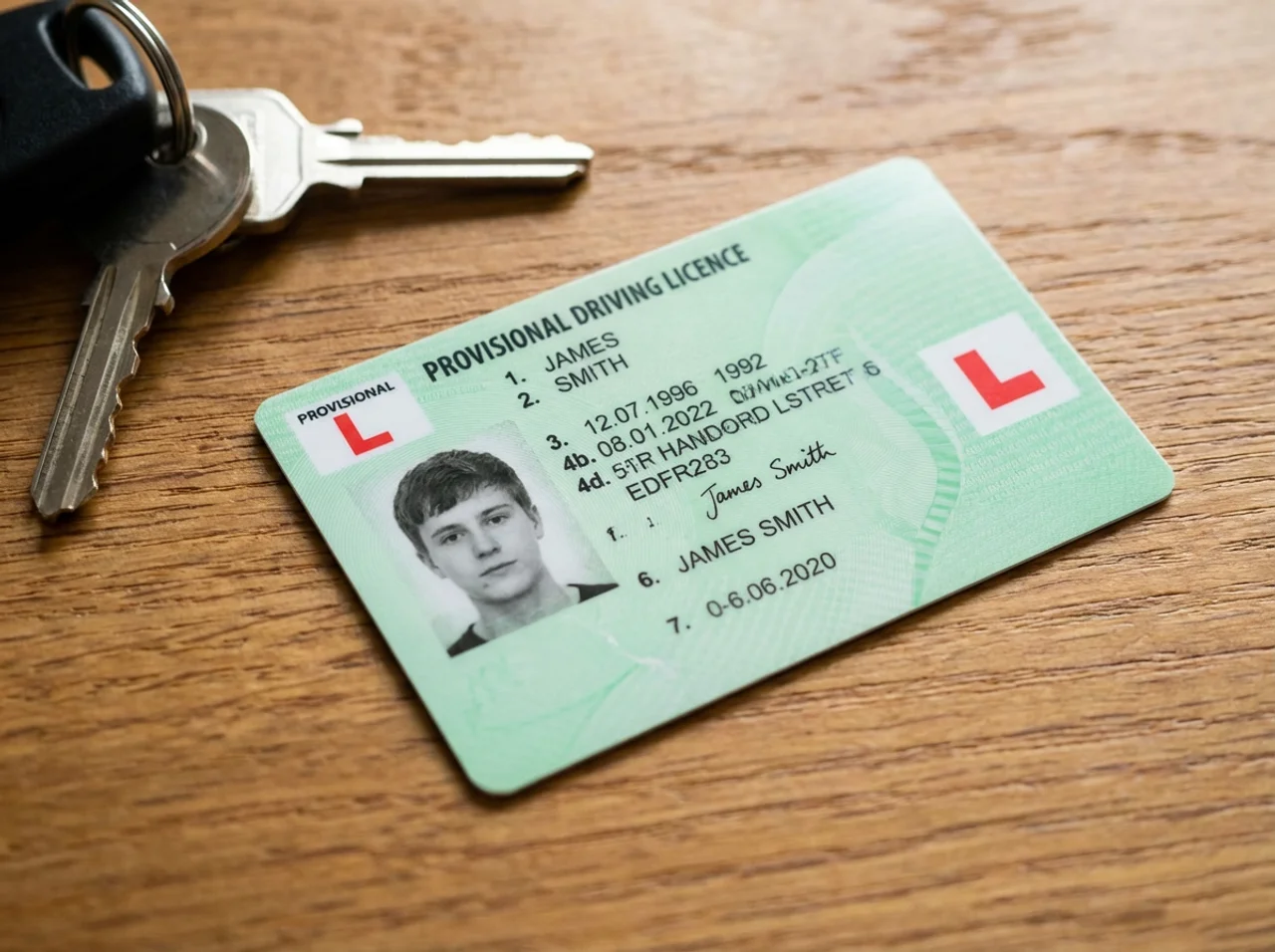
Yes. Before you can begin learning to ride, you must hold a valid provisional driving licence. This is the first step and is required before you can complete your Compulsory Basic Training (CBT).
Without a provisional licence, you cannot legally start training or ride a motorbike on the road.
You will also need valid motorbike insurance before riding, even as a learner.
What Is Compulsory Basic Training (CBT)?
CBT is a mandatory training course that must be completed before riding a moped or motorcycle on public roads.
Importantly, CBT is a course, not a test. However, your instructor must be satisfied that you can ride safely. If they believe you require further training, you may need additional tuition before receiving your certificate.
What Does the CBT Involve?
The course consists of five elements and includes both:
On-site training in a controlled, traffic-free environment, where you’ll practise basic manoeuvres and handling skills
On-road riding, with at least two hours spent riding on public roads under instructor supervision
The course typically costs around £150 and, upon completion, you’ll receive a DL196 certificate.
What Can I Ride With a CBT?
Your CBT certificate allows you to ride:
If you are 16:
A moped up to 50cc (maximum speed 28mph)
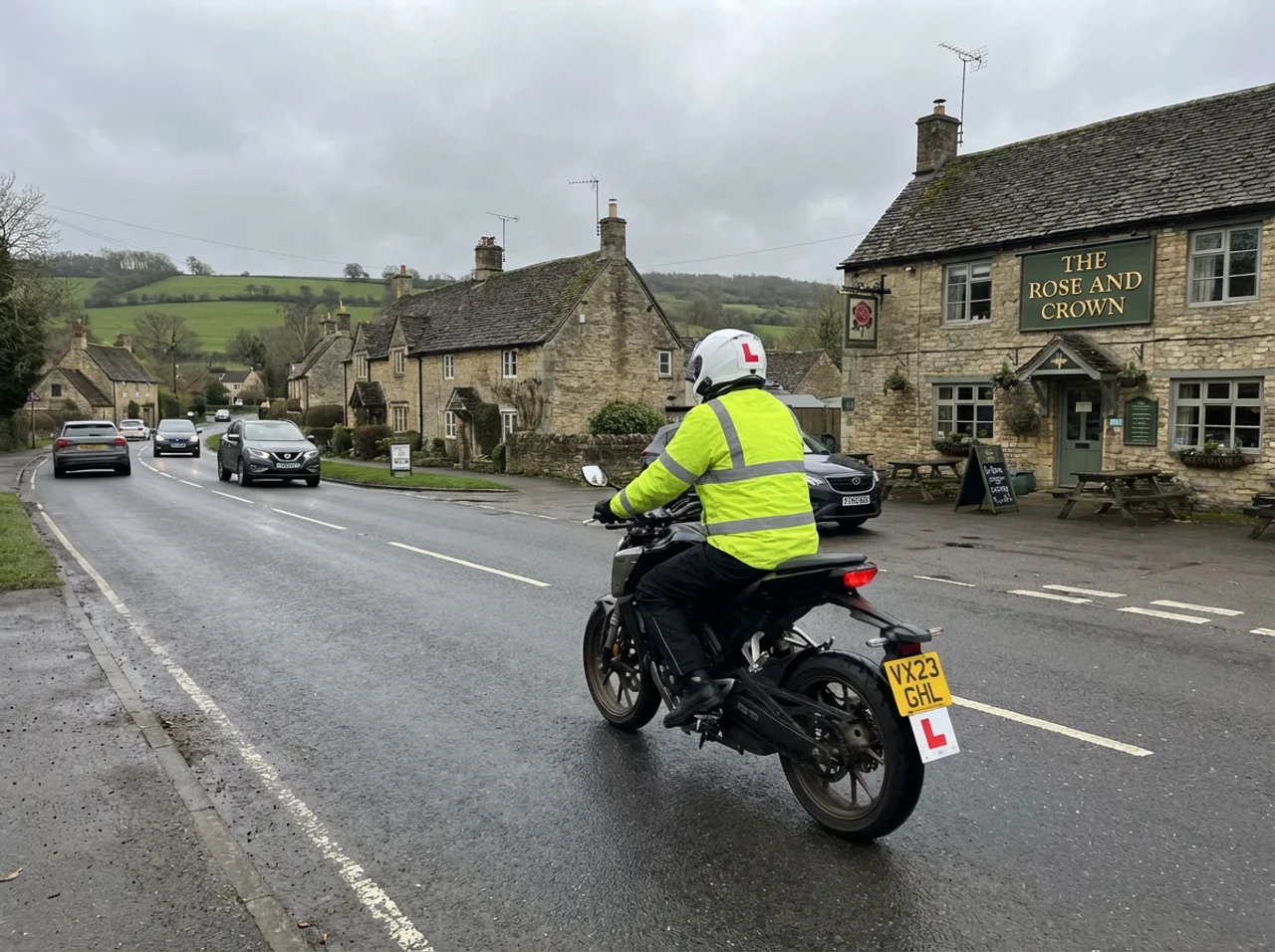
You must display L-plates
No pillion passengers
No motorway riding
If you are 17 or over:
A motorcycle up to 125cc (maximum speed approximately 60mph)
You must display L-plates
No pillion passengers
No motorway riding
Your CBT is valid for two years and allows you to progress towards a full motorcycle licence.
Can I Ride a Moped With a Full Car Licence?
The answer depends on when you passed your car driving test.
If you passed before 1 February 2001:
You can ride a moped (up to 50cc) without L-plates and without taking CBT.
You will need CBT if you want to ride anything larger than 50cc.
If you passed after 1 February 2001:
You must complete CBT before riding a moped or motorcycle.
You may also be exempt from CBT if you already hold a full moped licence (obtained after passing a moped test since 1 December 1990) or if you live and ride on certain offshore islands.
The Two Main Routes to a Full Motorbike Licence
There are two primary ways to obtain a full motorcycle licence: the Direct Access Route and the Progressive Route. The right choice depends on your age and riding experience.
1. The Direct Access Route
The Direct Access Route is designed for new riders who want to obtain the highest licence available to their age group without progressing through each category over time.
This route entitles you to:
AM licence – From age 16 (up to 50cc)
A1 licence – From age 17 (up to 125cc)
A2 licence – From age 19 (motorcycles up to 35kW / 47bhp)
Full A licence – From age 24 (any motorcycle, unlimited engine size)
This is often the quickest route for riders aged 24 or over who want immediate access to unrestricted motorcycles.
2. The Progressive Route
The Progressive Route allows riders to move up through licence categories over time, gaining experience at each stage.
For example, someone starting at 16 can work through each category consecutively and potentially obtain a full Category A licence by age 21 rather than waiting until 24.
Under this route:
AM licence – From age 16
A1 licence – From age 17
A2 licence – From age 19
Full A licence – From age 21 (if you have held an A2 licence for at least two years)
An additional benefit of the progressive route is that, provided your theory test certificate remains valid, you will not need to retake the motorcycle theory test when upgrading your licence.
Motorcycle Theory and Practical Tests
To obtain a full motorcycle licence (A1, A2 or A), you must:
Pass the motorcycle theory test
Pass the two-part practical test (Module 1 and Module 2)
Module 1 focuses on off-road manoeuvres
Module 2 assesses on-road riding ability
Both are designed to ensure you can ride safely and confidently in real-world conditions.
Understanding the Licence Categories at a Glance
Licence
Minimum Age
What You Can Ride
AM
16
50cc moped
A1
17
125cc motorcycle
A2
19
Motorcycle up to 35kW (47bhp)
A
21 (progressive) / 24 (direct)
Any motorcycle
Final Thoughts
Although the motorbike licensing system may appear complex at first, it becomes much clearer once you understand the routes available and how they relate to your age and experience.
Taking the time to choose the right pathway ensures you progress safely, legally and with the confidence needed to enjoy riding.
If you’re unsure which option is right for you, seeking advice from an approved motorcycle training school is always a sensible first step.
Motorbike Finance
At Happy Motor Finance we have a large and diverse panel of lenders, meaning obtaining motorbike finance is much easier. No matter what licence type you hold, we have you covered.
All initial applications are on a soft search basis, and many customers secure their finance and their bike before completing
If you currently hold a provisional driving licence, you may be wondering whether you can still obtain vehicle finance. The good news is: yes, you can. While the number of…
A Complete Guide to Getting a Motorbike Licence Getting a motorbike licence can feel more complicated than obtaining a standard car licence and in many ways, it is. With different…
Trustindex verifies that the original source of the review is Google.
Efficient and quick service very good communication Ali was great through out 👍
R S
Trustindex verifies that the original source of the review is Google.
I spoke with kirsty from happy motor finance and not only did she seal the deal for me on my first 125 motorbike she was always on call to assist me with any issues that I had with the process, kirsty is a credit to the company her customer service was well above board and i know this as i use to work in the financial sector myself and in vehicle sales the only issue she couldn't solve would be an issue with the finance company ie they wouldn't finance a certain type of vehicle or they wouldn't cover negative equity without a deposit which was out of her hands however she would always try other solutions or keep me informed 5 * service I would happily use happy motor finance again because of kirsty
Thank you again for all your support
Kind regards
Ryan
Benjamin Martin
Trustindex verifies that the original source of the review is Google.
Amazing experience, my broker Ali who I worked with was very helpful and kept me well updated through the whole process would definitely recommend
Kristian Shinn
Trustindex verifies that the original source of the review is Google.
This lady has been the best person I’ve spoken to in awhile she’s helped me every single step in finding a new motorbike Cannot recommend this company anymore 10 out of 10
Kimberley Judd
Trustindex verifies that the original source of the review is Google.
Ali at Happy was really helpful, as I was purchasing a vehicle for my business many companies won’t help. Happy was personable & clear, kept me up to date & liased with the dealership, the whole process only took a couple of days. Definitely worth trying these guys!
Matthew Powell
Trustindex verifies that the original source of the review is Google.
Fantastic experience with happy motor finance. Really quick and straight forward. A lady called Ella helped me with my finance application can't thank her enough she was brilliant 👏 👌
Katie Gent
Trustindex verifies that the original source of the review is Google.
Excellent service! Ella was very helpful and friendly :)
Farrukh Kazi
Trustindex verifies that the original source of the review is Google.
Really Really helpful, throughout the process, Ella guided me quite really well, very patient with every step… For me just choose Ella and happy finance rest they will do for you.
Annie Smith
Trustindex verifies that the original source of the review is Google.
Brilliant service very friendly fast and help thank you for your help...!!!
Anita Kollar
Trustindex verifies that the original source of the review is Google.
Excellent service! Highly recommended! Many thanks!
Some of our trusted partners
Company Name & Contact Details
Happy Motor Finance Pennington House 16 Carolina Way Salford Quays Salford M50 2ZY
Happy Motor Finance Limited is registered in England and Wales under company number: 14387669. Registered office address: Pennington House, 16 Carolina Way, Salford Quays, Salford, M50 2ZY
Happy Motor Finance Limited (FRN - 989250) is authorised and regulated by the Financial Conduct Authority. We act as a credit broker not a lender. We work with a specific panel of lenders to try to obtain you an approval. We receive a commission for introducing you to parties with whom we work with if you proceed with an acceptance. This commission is a fixed payment or fixed percentage of the amount you finance, but can vary by partner. This does not impact the rate you are provided. You will be provided full information before completing your finance agreement and you can request further information at any time. We do not charge a fee for our services. All finance is subject to status and income. Terms and conditions apply. Applicants must be 18 years or over. We are only able to offer finance products from these providers.
Happy Motor Finance Limited are registered with the Information Commissioners Office under registration number: ZB408604